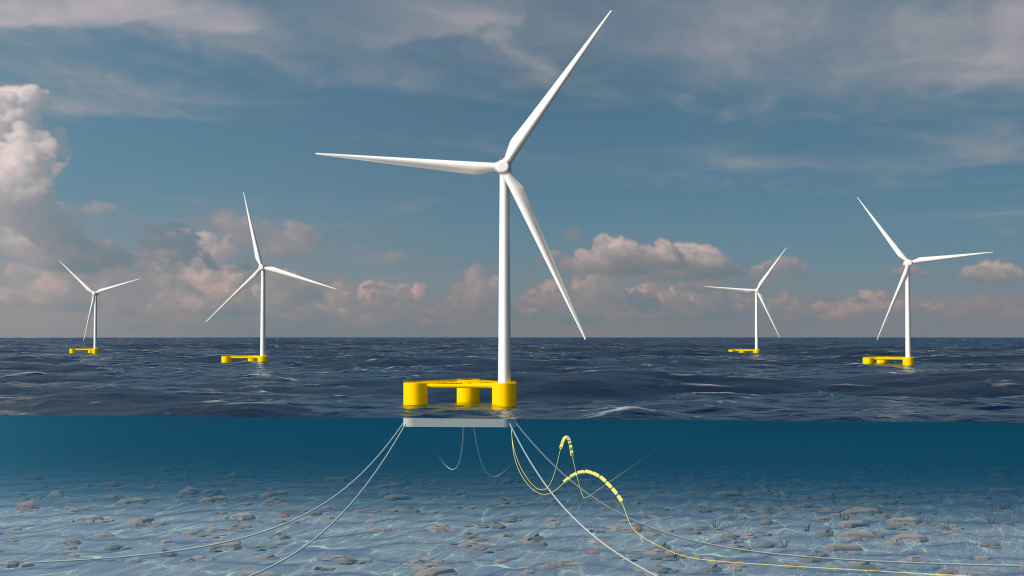
How does a floating wind farm work?
The project has a very special feature: the wind turbines will be floating. This innovative technology requires the use of floating platforms, sometimes called floats.
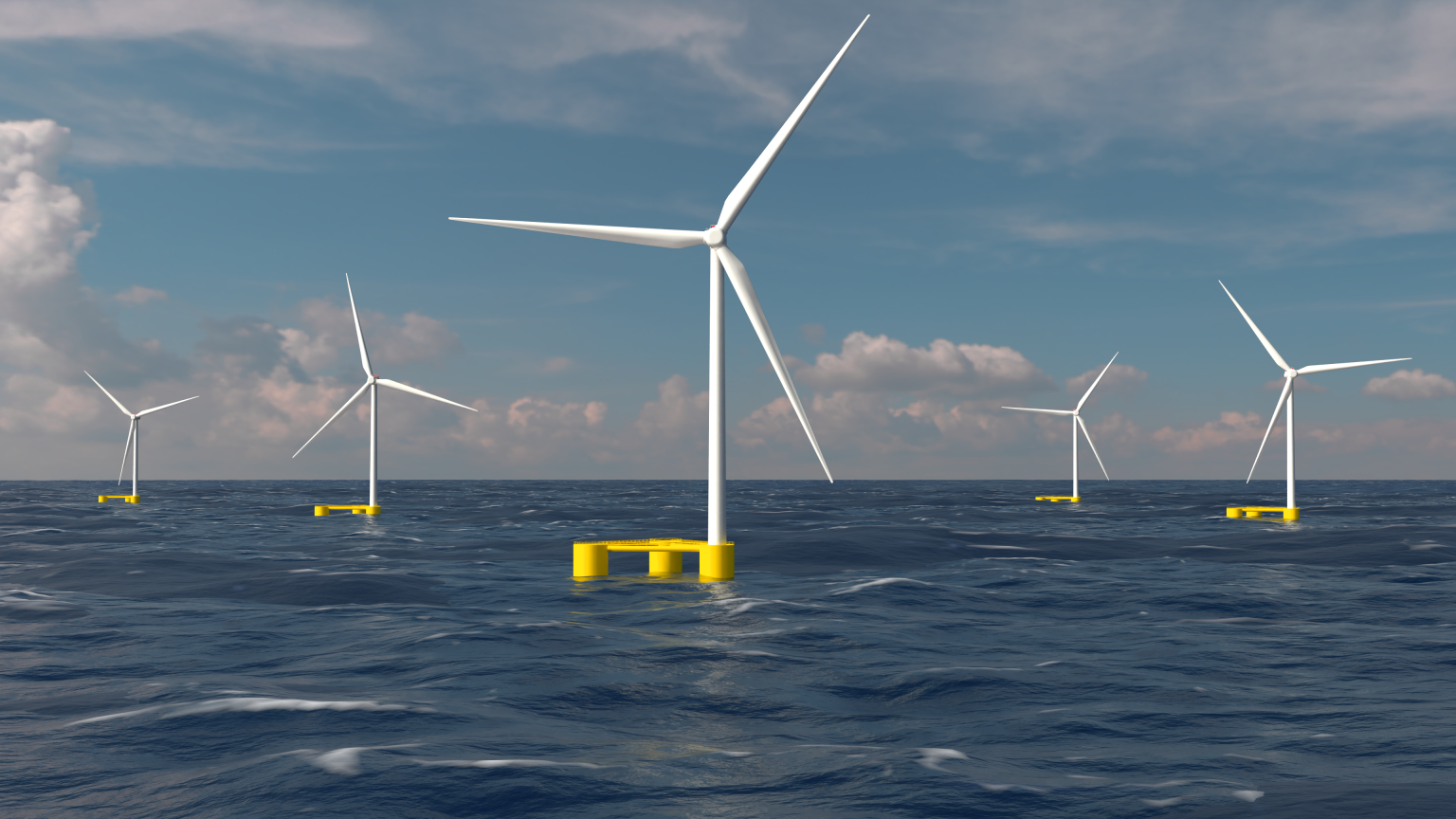
Currently under development, then Pennavel project will become France’s first commercial-scale floating offshore wind farm (250 MW). Once operational, it will supply green, locally-generated electricity to 450,000 residents.
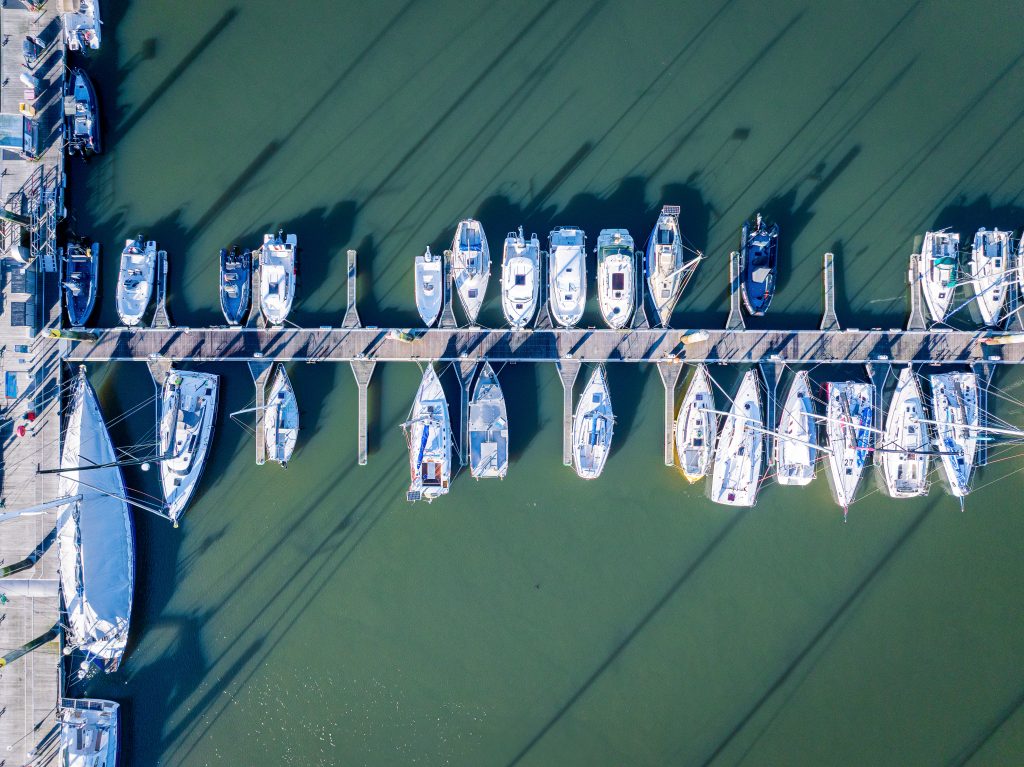
Pennavel is designed as a regional project deeply rooted in its social, environmental, and economic context. From the outset, our goal has been to develop a floating offshore wind farm that respects the landscape, the natural environment, and local livelihoods.
We actively collaborate with stakeholders across the region to strike the right balance between:
preserving fishing activities and maritime uses, protecting biodiversity and coastal environments, selecting efficient, proven technologies, and ensuring affordable energy for consumers.
At its core, Pennavel is a renewable energy project that will generate clean, local electricity while strengthening the region’s energy independence.
It aligns with France’s Multi-Year Energy Plan (PPE), which identifies offshore wind as a strategic driver for decarbonizing the energy mix and ensuring long-term security of electricity supply.
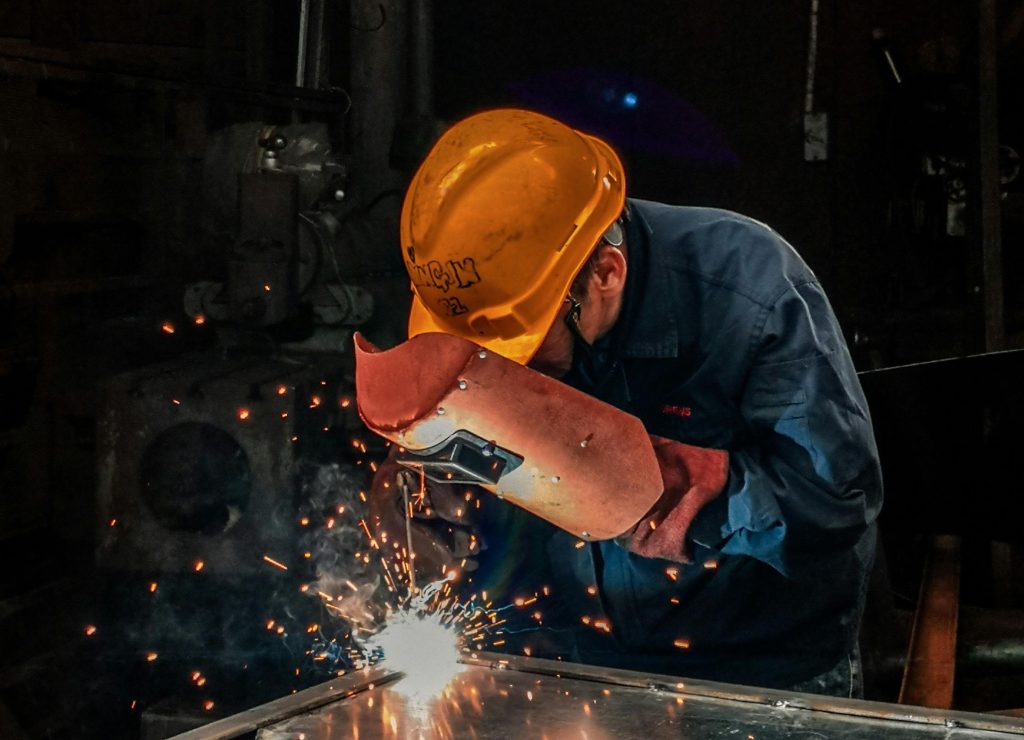
Pennavel is committed to supporting the growth of a strong, competitive industrial sector in Brittany — one that can meet the global demand for floating offshore wind power, while generating economic benefits for both local businesses and the maritime sector.
As a mark of this commitment, the project has been awarded the “Breizh Content®” label by the Bretagne Pôle Naval cluster, recognizing its strong integration.
The project has a very special feature: the wind turbines will be floating. This innovative technology requires the use of floating platforms, sometimes called floats.